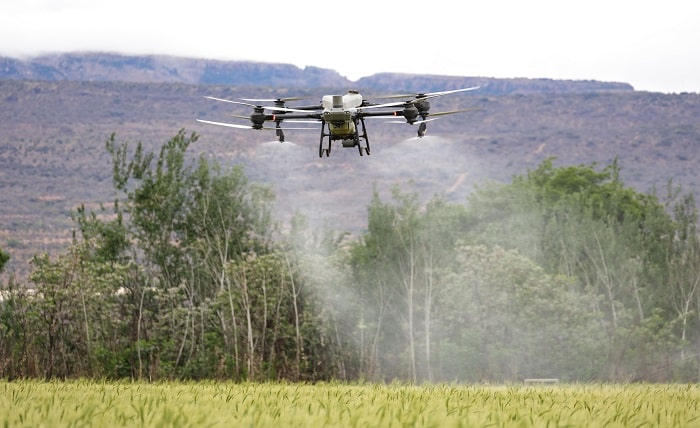
Commercial drone operations have expanded across industries, from photography and construction to surveying, agriculture and infrastructure inspections. As businesses rely more on unmanned aircraft systems, protecting equipment and operations has become increasingly important. Commercial drone insurance helps businesses manage risks associated with drone flights, including accidental damage, liability claims and operational incidents. AGL Aviation helps drone operators understand their insurance needs and find coverage solutions suited to their specific activities.
The cost of drone insurance can vary significantly depending on several factors. Insurers consider details such as the type of drone being used, how it will operate, the experience of the pilot and the level of coverage required.
Understanding what influences pricing can help businesses prepare for insurance discussions and choose protection that matches their operational risks.
Type and Value of the Drone
One of the biggest factors affecting commercial drone insurance costs is the drone itself. Different drones carry different levels of financial risk based on their value, capabilities and intended use.
A basic drone used for simple commercial photography may have different insurance requirements compared with an advanced system equipped with specialised cameras, sensors or mapping technology.
Factors insurers may consider include:
- Purchase price of the drone
- Replacement cost
- Equipment attached to the drone
- Age and condition of the equipment
- Technical specifications
Higher-value drones generally require more coverage because repairing or replacing the equipment after an incident may involve greater costs.
Businesses should provide accurate details about their drone equipment to ensure their policy reflects the actual value of their assets.
How the Drone Is Used
The purpose of drone operations plays an important role in determining insurance costs. Different industries involve different levels of risk, and insurers assess how and where drones will be used.
Examples of commercial drone applications include:
- Real estate photography
- Construction monitoring
- Agricultural assessments
- Land surveying
- Film and media production
- Infrastructure inspections
A drone used for controlled environments may present different risks compared with one flown near buildings, roads or large groups of people.
David Woollams explains that understanding the operational purpose of a drone is essential because insurance requirements should reflect the real-world risks involved in each type of commercial activity.
Flight Location and Operating Environment
Where a drone operates can also affect insurance costs. Some environments present greater risks due to obstacles, weather conditions, population density or airspace restrictions.
Factors that may influence risk include:
- Urban or populated areas
- Remote locations
- Near airports or controlled airspace
- Difficult weather conditions
- Challenging terrain
For example, operating a drone near busy areas may require additional risk considerations compared with flying in open rural locations.
Providing detailed information about regular flight locations helps insurers better assess potential risks and determine appropriate coverage.
Pilot Experience and Training
The skill and experience of the drone operator can influence insurance pricing. Experienced pilots who follow safe operating procedures may present a lower risk profile compared with inexperienced operators.
Insurers may consider:
- Pilot certifications
- Flight experience
- Training history
- Safety procedures
- Previous incidents
Professional training demonstrates that operators understand responsible drone operation, safety requirements and risk management practices.
Businesses that invest in proper pilot training may also improve their overall safety standards and reduce the likelihood of preventable incidents.
Coverage Level and Policy Limits
The amount of coverage selected directly affects the cost of commercial drone insurance. Businesses can choose different levels of protection depending on their operations and risk exposure.
Coverage options may include:
- Drone physical damage protection
- Public liability coverage
- Third-party property damage
- Equipment protection
- Legal expenses
Higher liability limits generally result in higher premiums because they provide greater financial protection if a claim occurs.
The right coverage level depends on factors such as business size, industry requirements and the potential consequences of an accident.
Claims History and Previous Incidents
An operator’s claims history can influence insurance costs. Businesses with previous incidents may be viewed as having a higher risk profile.
Insurers may review:
- Previous drone accidents
- Property damage claims
- Liability incidents
- Safety records
Maintaining strong operational procedures and following aviation regulations can help businesses demonstrate responsible drone management.
A consistent safety record may support more favourable insurance considerations over time.
Frequency of Drone Operations
How often a drone is used can also affect insurance pricing. A business operating drones every day may face different risks compared with a company using equipment occasionally.
Considerations may include:
- Number of flights completed
- Hours flown each month
- Seasonal operations
- Number of active drones
- Number of pilots involved
Frequent operations increase exposure because the equipment is used more often and has more opportunities for incidents to occur.
Businesses should provide accurate operational details when requesting insurance quotes.
Business Size and Industry Requirements
The size of a company and the nature of its industry can influence insurance needs. Larger organisations may require broader coverage due to increased operations, multiple drones or higher-value projects.
Some industries may also have specific insurance expectations from:
- Clients
- Contractors
- Government organisations
- Project partners
For example, a construction company using drones for large-scale site monitoring may require different coverage compared with an independent photographer.
AGL Aviation works with commercial operators to help assess their insurance requirements and identify coverage options suitable for their business activities.
Geographic Coverage Area
The areas where a drone business operates can affect insurance considerations. Companies working across multiple regions may need coverage that reflects their broader operating area.
Important factors include:
- Number of locations
- Distance travelled for projects
- Different operating environments
- Local aviation requirements
Businesses that expand their operations should review their insurance policy to ensure it continues to provide appropriate protection.
Failing to update coverage after expanding operations may result in gaps when protection is needed.
Safety Procedures and Risk Management
Strong safety practices can play an important role in managing insurance costs. Businesses that demonstrate responsible operations may be better positioned when discussing coverage.
Effective risk management may include:
- Pre-flight inspections
- Maintenance schedules
- Pilot training programs
- Weather monitoring
- Flight planning procedures
- Incident reporting processes
These practices help reduce avoidable risks and show a commitment to safe drone operations.
David Woollams highlights that insurers often need a clear understanding of how businesses manage drone risks because safety procedures form an important part of assessing commercial operations.
Additional Equipment and Technology
Many commercial drones operate with additional equipment that can increase both capability and value. These additions may affect insurance requirements.
Examples include:
- High-resolution cameras
- Thermal sensors
- LiDAR equipment
- Mapping systems
- Communication technology
Specialised equipment can improve business services but may increase the cost of replacing damaged equipment after an incident.
Businesses should ensure these additions are included when reviewing their insurance coverage.
Choosing the Right Commercial Drone Insurance Support
Commercial drone insurance costs depend on a combination of factors, including equipment value, operational risks, pilot experience and coverage requirements. There is no single cost that applies to every drone business because each operation has different needs.
Understanding these factors allows businesses to prepare better and choose insurance protection that aligns with their activities.
AGL Aviation provides aviation insurance support for businesses seeking guidance on commercial drone coverage, helping operators understand their options and protect their operations.
David Woollams notes that reviewing insurance needs regularly is important as drone technology, business activities and operational requirements continue to change.
By assessing risks carefully and working with experienced aviation insurance professionals, businesses can ensure they have suitable protection while continuing to grow their drone operations.