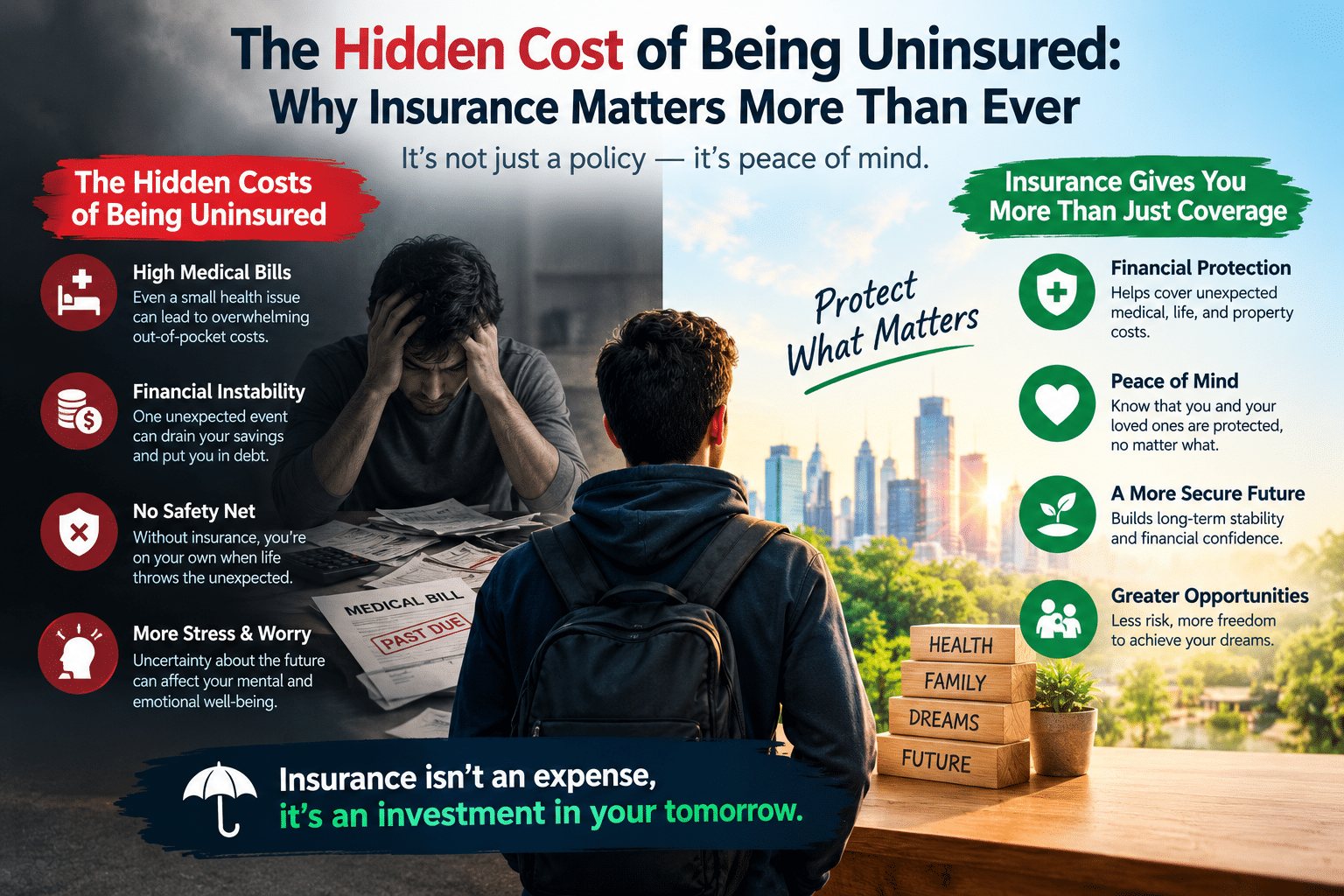
Financial security is built on more than savings and investments. Unexpected events can occur at any time, and a single accident, illness, lawsuit, or natural disaster can create expenses that take years to recover from. Insurance exists to reduce those risks and provide financial protection when life takes an unexpected turn. Despite its importance, many individuals still underestimate the value of having the right coverage in place.
The insurance industry has evolved significantly over the years. Modern insurance solutions protect homes, vehicles, businesses, health, income, and even digital assets. As economic uncertainty, medical costs, and property values continue to rise, insurance has become one of the most important tools for managing financial risk and maintaining long-term stability.
Why Insurance Is More Important Today Than Ever Before
The world has become increasingly unpredictable. Severe weather events, rising healthcare expenses, vehicle repair costs, cyber threats, and legal liabilities have increased financial risks for individuals and businesses alike. A situation that may seem manageable today can quickly become a major financial challenge without adequate protection.
Insurance provides a safety net that helps absorb unexpected losses. Rather than facing the full financial impact of a covered event, policyholders can rely on their insurance provider to share the burden. That protection helps families preserve savings, avoid debt, and recover more quickly from difficult situations.
Understanding the Purpose of Insurance
At its core, insurance is a risk management tool. Individuals pay a premium to an insurance company in exchange for financial protection against specific risks. When a covered event occurs, the insurer helps pay eligible costs according to the policy terms.
Different types of insurance address different risks. Health insurance helps with medical expenses, auto insurance covers vehicle-related incidents, homeowners insurance protects property, life insurance supports loved ones financially, and business insurance helps companies recover from operational losses. Together, these policies create a comprehensive financial protection strategy.
The Financial Consequences of Being Uninsured
Many people focus on saving money by avoiding insurance premiums. However, the financial consequences of being uninsured can be far greater than the cost of coverage. A serious medical emergency, house fire, major accident, or liability lawsuit can result in expenses reaching tens or even hundreds of thousands of dollars.
Without insurance, those costs often come directly from personal savings, investments, or borrowed funds. In some cases, individuals may face long-term financial hardship because they lack adequate protection against major risks. Insurance helps reduce that exposure and provides greater peace of mind.
How Insurance Supports Long-Term Financial Planning
Successful financial planning involves protecting assets as well as growing wealth. While investments focus on increasing financial resources, insurance focuses on preserving them. Both play an important role in creating a stable financial future.
Financial advisors often recommend integrating insurance into a broader financial strategy. Adequate coverage can help protect retirement savings, family assets, business investments, and future income from unexpected events that could otherwise disrupt long-term goals.
The Most Common Types of Insurance Coverage
Different stages of life require different forms of protection. Young professionals may prioritize health insurance and auto insurance, while families often focus on life insurance and homeowners insurance. Business owners typically require additional coverage to protect operations, employees, and assets.
As financial responsibilities increase, insurance needs often become more complex. Understanding available coverage options helps individuals select policies that align with their circumstances and risk exposure.
Major Types of Insurance and Their Benefits
| Insurance Type | Primary Purpose |
| Health Insurance | Covers medical expenses and treatments |
| Auto Insurance | Protects against vehicle-related losses |
| Homeowners Insurance | Covers property damage and liability |
| Life Insurance | Provides financial support for beneficiaries |
| Business Insurance | Protects business assets and operations |
| Renters Insurance | Covers personal belongings in rented properties |
| Disability Insurance | Replaces income during inability to work |
| Umbrella Insurance | Provides additional liability protection |
Why Insurance Builds Financial Confidence
Financial confidence comes from knowing that unexpected challenges will not completely derail your plans. Insurance helps create that confidence by reducing uncertainty and providing support when major expenses arise. Individuals with adequate coverage often make financial decisions with greater peace of mind because they know significant risks are being managed.
Protection against uncertainty also supports personal and professional growth. Whether purchasing a home, starting a business, or planning for retirement, insurance creates a stronger foundation for future opportunities.
Technology Is Transforming the Insurance Industry
Digital innovation is changing how insurance products are purchased, managed, and serviced. Consumers can now compare quotes online, access policy information through mobile apps, and submit claims digitally. Artificial intelligence and data analytics are helping insurers improve efficiency and personalize coverage options.
These advancements have increased transparency and convenience for policyholders. Modern insurance providers are using technology to simplify processes while improving customer experiences and risk assessment capabilities.
Common Mistakes People Make When Buying Insurance
One of the biggest mistakes is choosing a policy based solely on price. While affordability matters, focusing only on premium costs can result in inadequate coverage. Lower-cost policies may contain exclusions, higher deductibles, or lower limits that leave policyholders vulnerable during a claim.
Another common mistake is failing to review coverage regularly. Major life changes, increased income, property improvements, and business growth can all affect insurance needs. Periodic policy reviews help ensure coverage remains aligned with current circumstances.
The Future of Insurance and Risk Protection
The insurance industry continues adapting to emerging risks and changing consumer expectations. Climate-related events, cybercrime, digital assets, remote work, and evolving healthcare needs are influencing new insurance products and coverage options.
As risks become more complex, insurance will remain a critical component of financial security. Consumers who understand their coverage needs and maintain appropriate protection will be better positioned to navigate future uncertainties with confidence.
Conclusion
Insurance is far more than a financial product. It is a strategic tool that helps protect assets, preserve wealth, and reduce the impact of unexpected events. Whether you are safeguarding your health, home, vehicle, family, or business, the right insurance coverage can provide valuable protection and long-term peace of mind.
As financial risks continue evolving, investing in adequate insurance remains one of the smartest decisions you can make. A well-designed insurance strategy not only protects what you have today but also supports the financial goals you hope to achieve in the future.
FAQS
Why is insurance important for financial security?
Insurance helps protect individuals and families from significant financial losses caused by accidents, illnesses, property damage, lawsuits, and other unexpected events. It reduces financial risk and supports long-term stability
What type of insurance should most people have?
Most individuals should consider health insurance, auto insurance, homeowners or renters insurance, and life insurance depending on their personal circumstances, financial responsibilities, and long-term goals.