Among all the decisions families face after a death, choosing what a person will wear can feel surprisingly tender. It’s intimate. It asks you to picture them one last time and decide how they’d want to be seen.
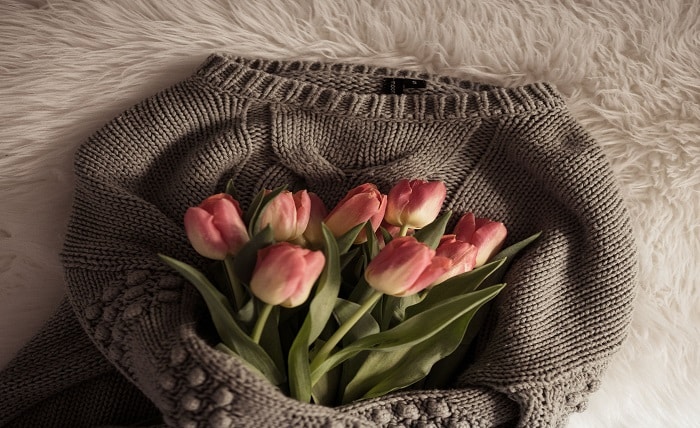
For many, the answer isn’t a formal suit or a brand-new dress. It’s the old cable-knit jumper with the patched elbow. The cardigan that always smelled faintly of their perfume. The footy guernsey worn every weekend for thirty years.
These garments carry memories that no shopping trip could replace.
Clothing as a Form of Recognition
The clothes we reach for again and again say a lot about us. A worn jumper tells the story of winter evenings on the couch, cold walks with the dog and cups of tea in the garden. When a family chooses that item, they’re saying, “This is how we knew you.”
There’s real comfort in that choice. Seeing someone dressed as they looked in everyday life can make a viewing feel less confronting. Instead of a stranger in unfamiliar formal wear, family members see the person they remember.
Letting Go of Old Expectations
Previous generations often felt that loved ones had to be dressed in their “Sunday best.” That expectation still lingers for some families, and it remains a perfectly valid choice. But there’s growing acceptance that comfort and authenticity can be just as respectful.
A grandmother who spent every day in gardening clothes might look most at peace in her favourite cardigan and a floral scarf. A grandfather who lived in flannel shirts might be honoured best in exactly that. There’s no disrespect in choosing familiarity over formality.
Faith, Tradition and Personal Choice
For families with strong religious beliefs, clothing decisions may connect with deeper traditions. Some communities have customs about modesty, colour or specific garments. Others leave the choice entirely to the family.
Those arranging Bethel and Logan Funerals Christian funerals may want to talk through how personal clothing fits alongside faith elements such as a cross necklace, a rosary or a well-loved Bible placed in the hands. A favourite jumper and a symbol of belief can sit together beautifully, reflecting both who the person was day to day and what they held sacred.
It’s always worth asking questions if you’re unsure. There are rarely strict rules, and staff can usually explain what’s possible.
Practical Details to Keep in Mind
Choosing clothes isn’t only emotional. There are some practical considerations too:
- Bring the full outfit, including underwear, socks and any accessories
- Include items like glasses, a wedding ring or a watch if you’d like them worn
- Mention whether jewellery should stay or be returned before burial or cremation
- Consider the season and setting, particularly for an open casket
If the favourite garment has seen better days, fine. A few holes or a faded colour don’t take away from its meaning. Some families gently wash and press the item first. Others prefer to leave it exactly as it was, scent and all.
When Family Members Disagree
Occasionally relatives have different views. One sibling may want Dad in his good suit, another in his fishing shirt. These moments can become tense when everyone is already hurting.
A gentle compromise often works. The person might wear the suit trousers with the beloved jumper on top. Or they could choose the formal outfit for the burial while displaying the favourite piece on a memorial table. Some families place a folded garment inside the casket so it stays with the person even if it isn’t worn.
Talking about what the person themselves would have preferred usually helps everyone find common ground. It shifts the focus from what each relative wants to what honours the one who has died.
Keeping a Piece for Yourself
Many people struggle with what to do with a loved one’s wardrobe afterwards. Some find it comforting to keep a matching item, such as a second jumper or a scarf, rather than having everything go with the person.
Others turn clothing into keepsakes. Memory bears, cushions and quilts sewn from shirts and knitwear have become popular ways to preserve fabric that holds so much history. Wrapping yourself in a quilt made from Mum’s cardigans can bring warmth on the hardest nights.
Children, in particular, often find comfort in having something soft that belonged to a grandparent. A small bear made from Grandpa’s favourite flannel can become a companion through years of growing up.
The Scent of Someone You Love
Smell is powerfully linked to memory. The faint trace of aftershave, laundry powder or pipe tobacco in a jumper can bring a person rushing back. For some, that’s comforting. For others, it’s too much at first.
If you decide to keep a garment, you might store it in a sealed bag to preserve the scent a little longer. There’s no rush to decide what to do with it. Many people keep items tucked away for years before they’re ready to wash, donate or repurpose them.
Helping Children Understand the Choice
Children sometimes ask why a grandparent is wearing “ordinary” clothes. It’s a chance to talk honestly about how much the person loved that jumper and how the family wanted them to feel comfortable and like themselves.
Inviting children to help choose an item, or to tuck a drawing into a pocket, can give them a sense of involvement. These small acts help young people process loss in a way that feels caring rather than frightening.
Honouring a Life in Its Simplest Details
It’s easy to assume the big elements of a farewell matter most: the eulogy, the music, the venue. Yet often it’s the small, personal touches that stay with people.
A worn jumper speaks of ordinary days, and ordinary days are where most of life happens. Choosing it is a way of honouring every cup of tea, every walk, every lazy Sunday afternoon.
When families make that choice with love, they’re offering one final act of care. They’re making sure the person goes forward looking, and in some way feeling, completely like themselves.