Flowers arrive in abundance after someone dies. They fill the chapel, crowd the kitchen bench, and line the hallway in buckets and vases. Then, within a week or two, they wilt. Petals drop, water clouds, and the arrangements that once brought so much colour are quietly carried out to the green bin.
More families are now choosing something that lasts. Instead of, or alongside, cut blooms, they are planting trees, shrubs, herbs, and gardens in memory of the person they have lost. It is a simple idea with real depth, because a living plant does something a bouquet cannot. It keeps changing.
Why Growth Feels Comforting
Grief can make time feel frozen. The world seems stuck at the moment the news arrived, and every day afterwards can feel like a repeat of the last. A planted memorial gently pushes against that feeling.
A seedling put in the ground in autumn looks different by spring. New leaves appear. A trunk thickens. One year, perhaps, the first flowers or fruit arrive. Watching this happen offers a quiet, visible reminder that life continues, and that love for someone can keep developing even after they are gone.
For children in particular, a tree can make an abstract idea concrete. They can measure it against their own height each birthday, water it on hot days, and understand that caring for the plant is a way of caring for a memory.
Choosing a Plant With Meaning
The most satisfying memorial plantings usually connect directly to the person. A keen cook might be honoured with a lemon tree, a kaffir lime, or a pot of basil that ends up in family meals. A bushwalker could be remembered with a native grevillea or banksia that draws honeyeaters to the yard. Someone who adored their morning coffee on the verandah might be represented by a climbing jasmine that scents that exact spot.
Some families choose a plant tied to a place of origin or a shared memory. A frangipani might recall a honeymoon in the tropics. A rose cutting taken from a grandmother’s garden can carry decades of family history into a new backyard. Even a humble tomato plant, grown each summer as the person always did, can carry meaning.
Local conditions matter too. Queensland gardens range from humid coastal plots to drier inland yards, so it helps to pick something suited to the climate and soil. A local nursery can often suggest hardy varieties that thrive rather than struggle, sparing the family the added sadness of watching a memorial plant fail.
Where the Planting Can Happen
A backyard is the most obvious choice, and it has real advantages. The plant stays close, easy to visit, and part of daily life.
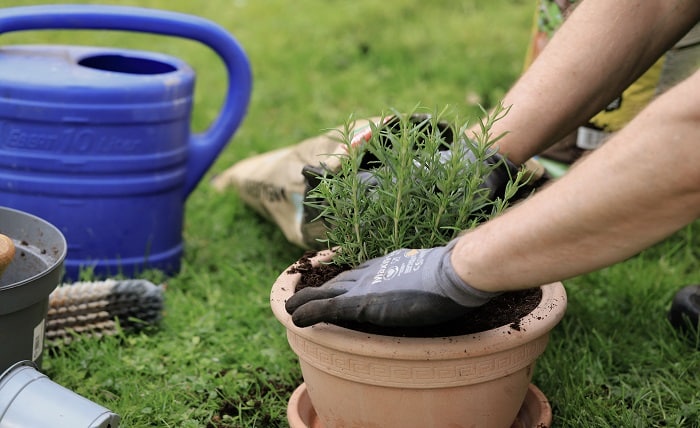
Yet not everyone owns a garden, and families move. Potted plants offer flexibility, travelling from one home to the next. A potted olive or a dwarf citrus can happily live on a balcony for years.
Community settings are another option. Some councils, schools, sporting clubs, and landcare groups run memorial planting programmes or welcome donated trees in parks and reserves. Rules differ from place to place, so checking with the relevant organisation first is always wise. A tree planted along a walking track the person loved, or beside the club where they volunteered, lets the whole community share in the memory.
Turning Planting Into a Gathering
The act of planting can become a small ceremony of its own. It does not need to be formal. Families often gather a few weeks or months after the service, when the initial rush has passed, and people have a little more space to breathe.
Everyone might take a turn with the shovel or scatter a handful of soil. Someone could share a story or explain why they chose this plant. Children can decorate a small marker or paint a stone to sit at the base.
These gatherings tend to feel lighter than the funeral itself. Being outdoors, with hands busy and earth underfoot, gives grief a gentler outlet. There is something grounding, quite literally, about kneeling in the dirt together.
Linking It to the Wider Farewell
Planting can also be woven into the service. Some families hand out native seedlings or packets of seeds to guests as they leave, inviting each person to grow something at home. Months later, those plants are scattered across dozens of gardens, each one a small living link back to the day.
Others ask for donations towards a tree-planting charity instead of flowers. Some request that a sapling be displayed near the coffin and then planted afterwards.
Organisations whose focus is the family rather than profit can be especially open to ideas like these. Many not for profit funeral directors QLD families work with are happy to help coordinate seedling giveaways, suggest suitable plants, or accommodate an outdoor planting as part of the day. Asking early gives everyone time to arrange the details without pressure.
Caring for the Memory Over Time
A planted memorial asks for attention, and that is part of its value. Watering, pruning, and feeding become small rituals of connection. On an anniversary or birthday, tending the plant can offer a practical way to mark the day when words feel hard to find.
Not every planting will flourish, and that is alright. Storms happen, possums get hungry, and droughts take their toll. If a plant struggles, replacing it or taking a cutting to start again can be a meaningful act in itself. The memory does not depend on one particular stem.
A Story That Keeps Unfolding
Cut flowers mark a moment. A living plant marks a lifetime and keeps adding new chapters. Each season brings fresh growth, blossom, or fruit, and each change invites the people who loved someone to pause and remember them again.
Years from now, a tree planted in grief may shade a family picnic or bear fruit for a grandchild who never met the person it honours. In that way, the story carries on, rooted firmly in the ground and reaching steadily towards the light.